Christopher Martin

DEVELOPMENT

From writing C code to deploying cloud-native AI — development has shaped every dimension of my career. A look at the tools, methods, and projects that define how I build.

Software development has been a passion throughout my professional career. From early days writing C code to working with the latest AI frameworks, it has been instrumental in shaping my growth. What excites me most is the constant opportunity to learn, innovate, and tackle complex challenges — whether solving AI problems for clients or streamlining workflows to increase efficiency.

Over the years, the skills I've gained have not only deepened my technical expertise but have also empowered me to lead strategic conversations and influence business decisions that have a global impact on enterprise organizations.
01

Flowchart Programming

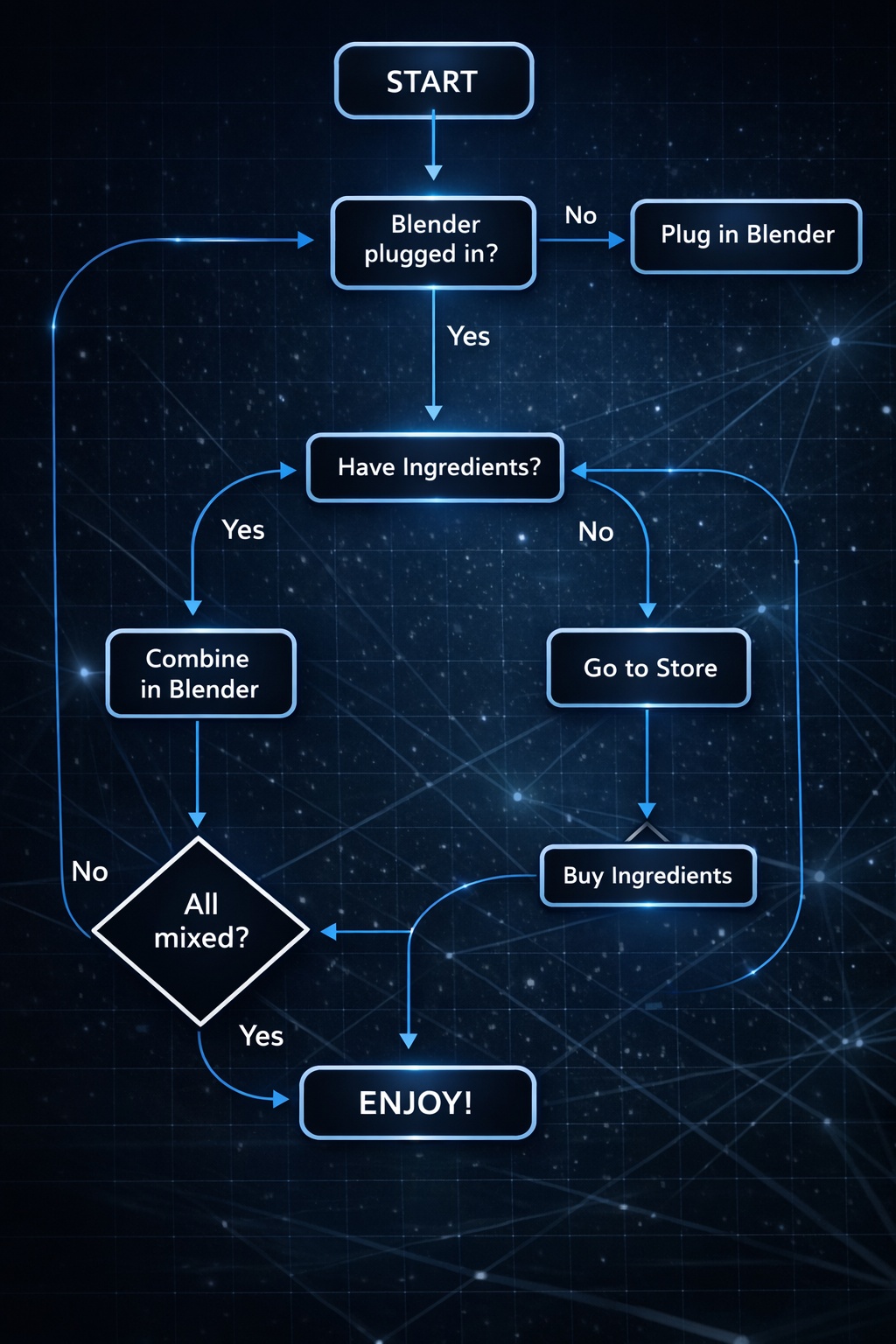
Flowchart programming is a graphical method for representing the logic of a program before a single line of code is written. Each process step is depicted as a connected symbol — forcing clarity of thought before committing to implementation.

Before I start writing a program, I begin by creating a flowchart that outlines the steps and inputs needed. This helps me plan coding structure and think through the process end-to-end. In the past, coding line by line often meant going back to modify functions or rewrite entire sections to handle edge cases I hadn't considered.

While planning upfront can feel like overhead, it has consistently saved significant time in execution. I've also incorporated prebuilt base templates for common library stacks — particularly for AI development and Flask-based web applications — to accelerate every project from the start.

Flow Chart Programming Diagram
Methodology — Flow Before Code
02

Python Development

Python has been one of my go-to languages since the early stages of my career. I've integrated Flask into projects primarily for front-end web design, and Python allows me to quickly leverage powerful tools across a wide range of applications — from web development to data science and machine learning.

Some examples of what I've built in Python include a Flask-based web app with a full front-end UI, a Terraform automation script for deploying Kubernetes pods, a command-line password manager, and a classic Pong game — a fun project to build and a good exercise in game loop logic and collision detection.

Python's ecosystem is what makes it so powerful. Whether I'm standing up a REST API, processing data for a machine learning pipeline, or automating cloud infrastructure, the language stays out of the way and lets me focus on the problem.

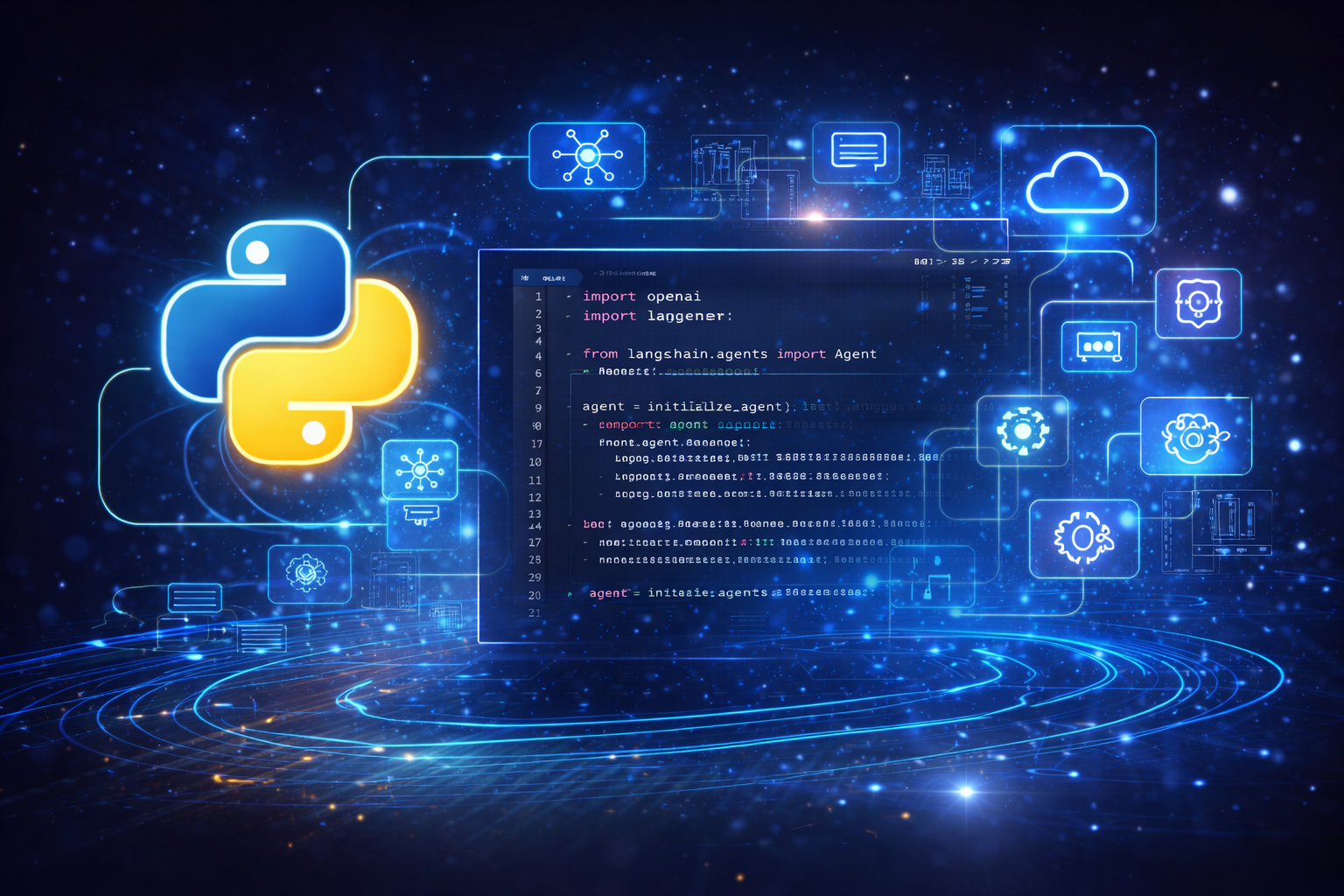
Python AI Development
Python — powering AI development
03

Full Stack Development

Projects I've worked on involving both front and back-end development include blog web apps, personal sites, and transaction processing systems for Kafka logging and broker topic ingestion. Most of my full-stack deployments have run on Kubernetes, alongside experience with AWS and Azure.

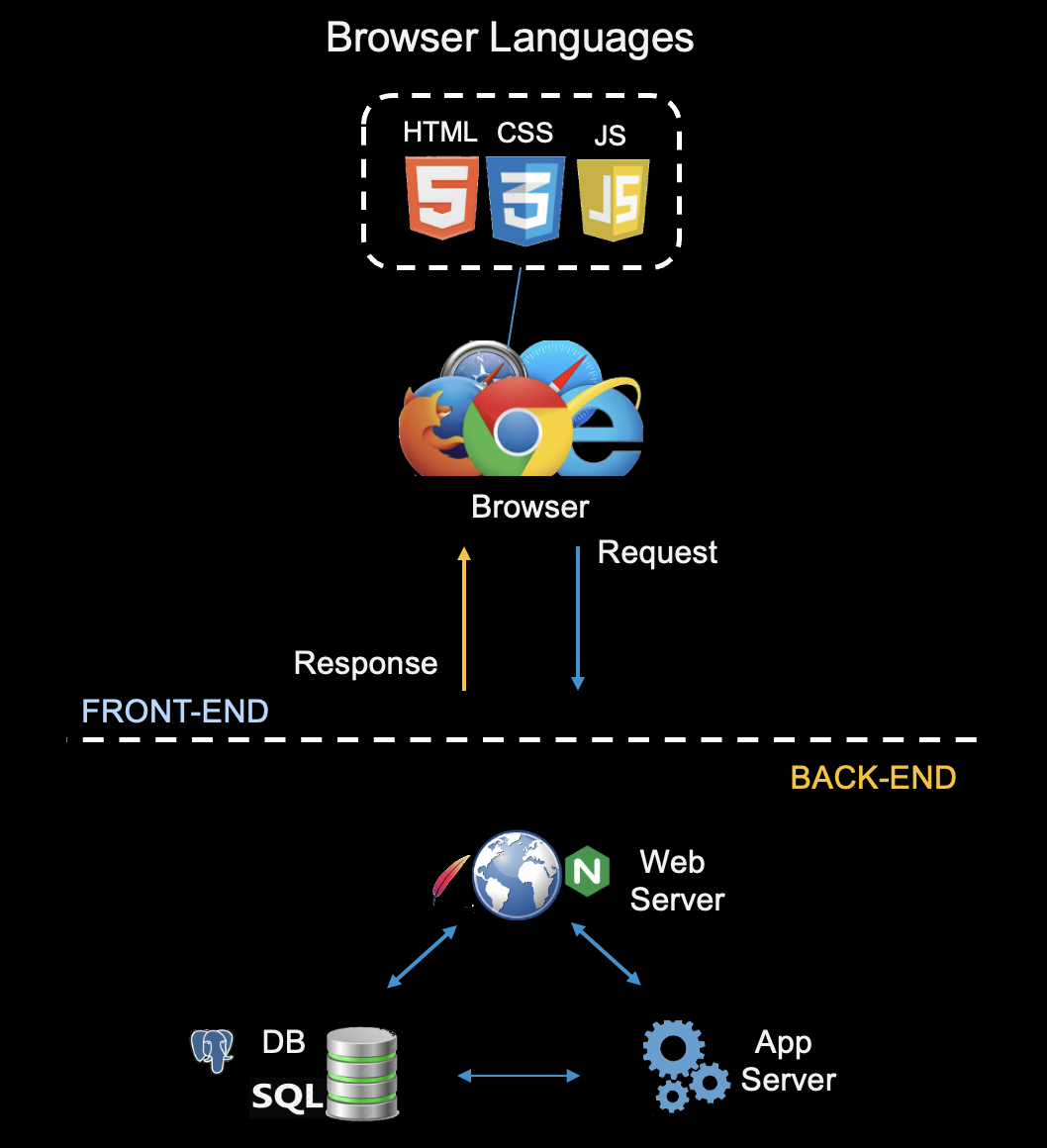
Specifically, I've worked with Nginx and Apache2 for front-end, integrated with SQL and PostgreSQL databases, and used jQuery, Node.js, and React. Developing full-stack architectures has given me the foresight to help businesses improve efficiency, plan for scalability, and streamline dev-to-ops workflows.

Python / Flask
Node.js
React
PostgreSQL
Nginx
Kubernetes
Kafka
AWS
Azure
Full Stack Architecture Diagram
Full Stack — Front to Back Architecture
04

Artificial Intelligence

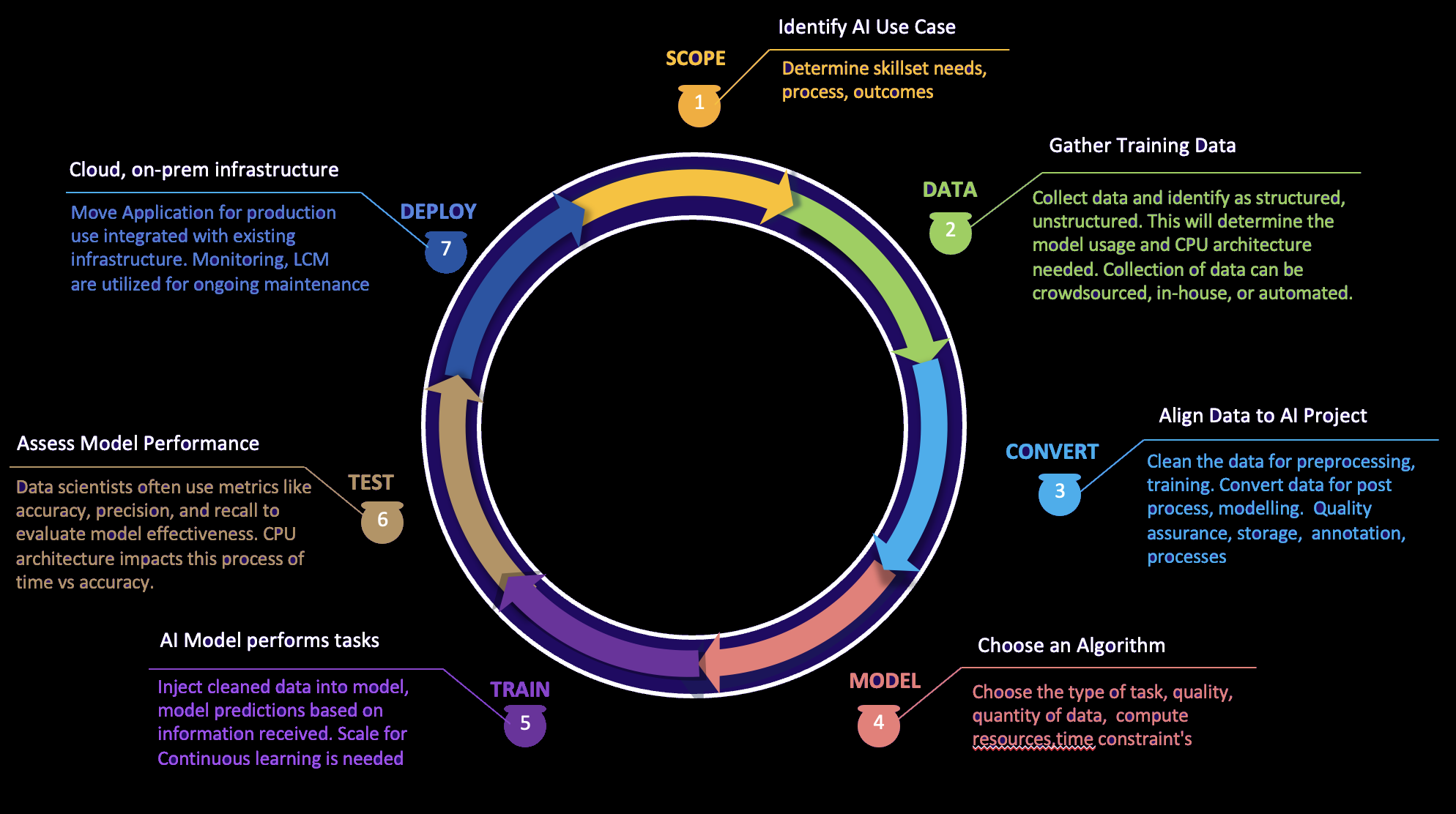
My journey into AI began at VMware when Generative AI exploded into the market — customers needed to understand how to virtualize GPU workloads at the hypervisor level to run multiple training processes inside containers and VMs. That hands-on technical foundation shaped everything that followed.
AI Architecture Flow Diagram
AI Workflow — From Data to Deployment

Since then I've worked with customers in healthcare, retail, and technology to define and implement AI within their organizations. The models I've worked with are primarily open-source from OpenAI, Hugging Face, and Model Zoo — specifically focused on Large Language Models (LLMs), Retrieval-Augmented Generation (RAG) use cases, and image detection.

My background in development, compute, and network architecture enables me to quickly understand training models, right-size GPUs, and design network topologies for AI-specific workloads. Hands-on experience has empowered me to program AI-based applications and help customers understand where GenAI delivers the most impact to their offerings and services.